Nuel's Lab
Think. Build. Lead.
Practical robotics, electronics, and AI skills for kids aged 7–17 — taught brick by brick, with real hardware and real code.
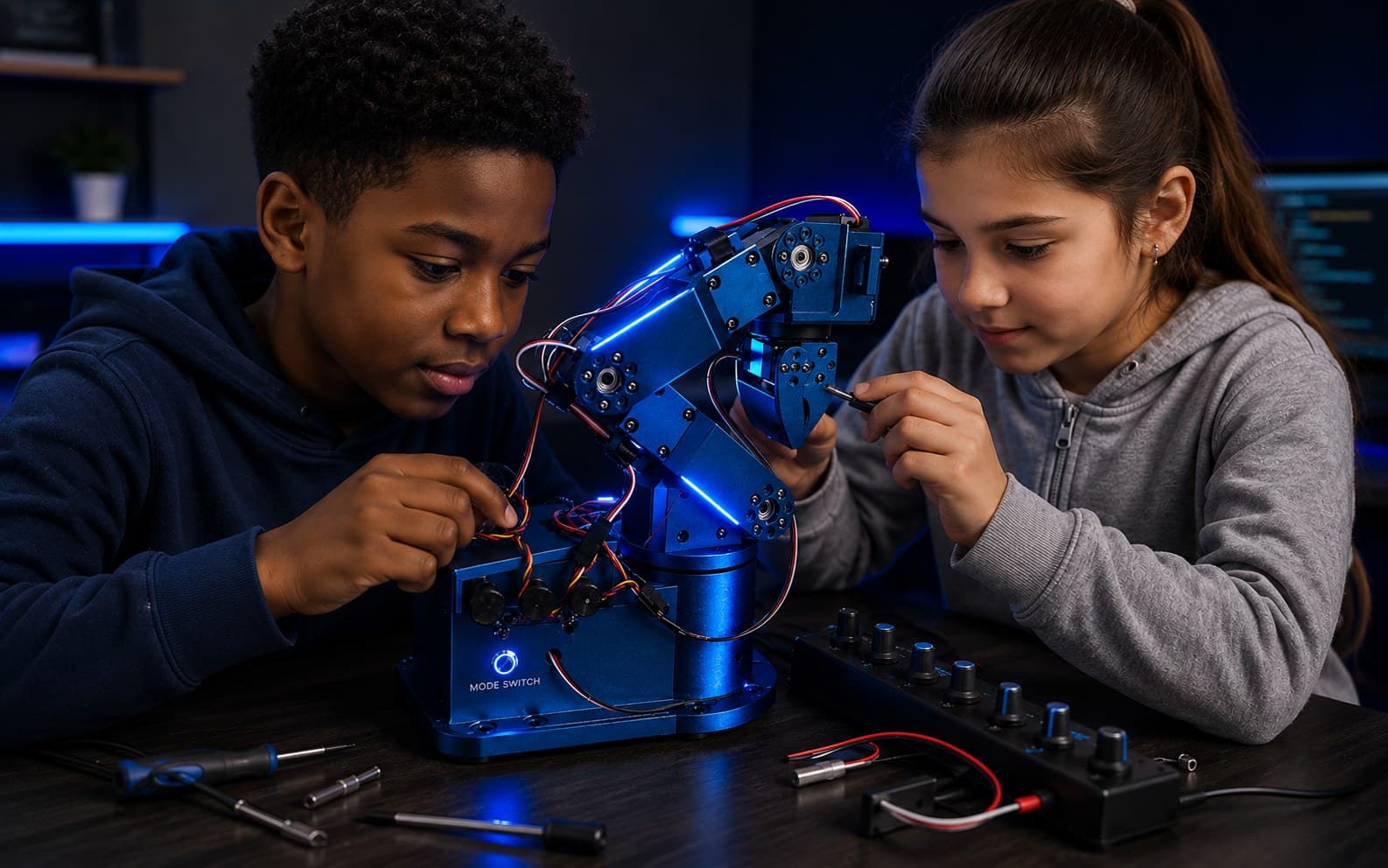
Our Vision
Vision
A future where British children have the skills and confidence to compete globally and drive technological innovation.
Why We Started
Closing the UK's STEM skills gap
Nuel's Lab was created in response to the growing digital, AI, engineering, and STEM skills gap in the UK. Traditional education can place greater emphasis on theory, while children often have limited opportunities to build and experiment with real technology. Nuel's Lab was founded to close this gap by giving children practical experience from an early age.
Impact We're Trying to Create
A pipeline of future tech talent
To create a scalable pipeline of future technology talent by giving thousands of children the practical skills, confidence, and problem-solving abilities needed for the future workforce. Nuel's Lab aims to reach at least 5,000 children every year, helping more young people progress towards careers in engineering, robotics, AI, programming, and other technology fields.
Programs
Two paths, one lab
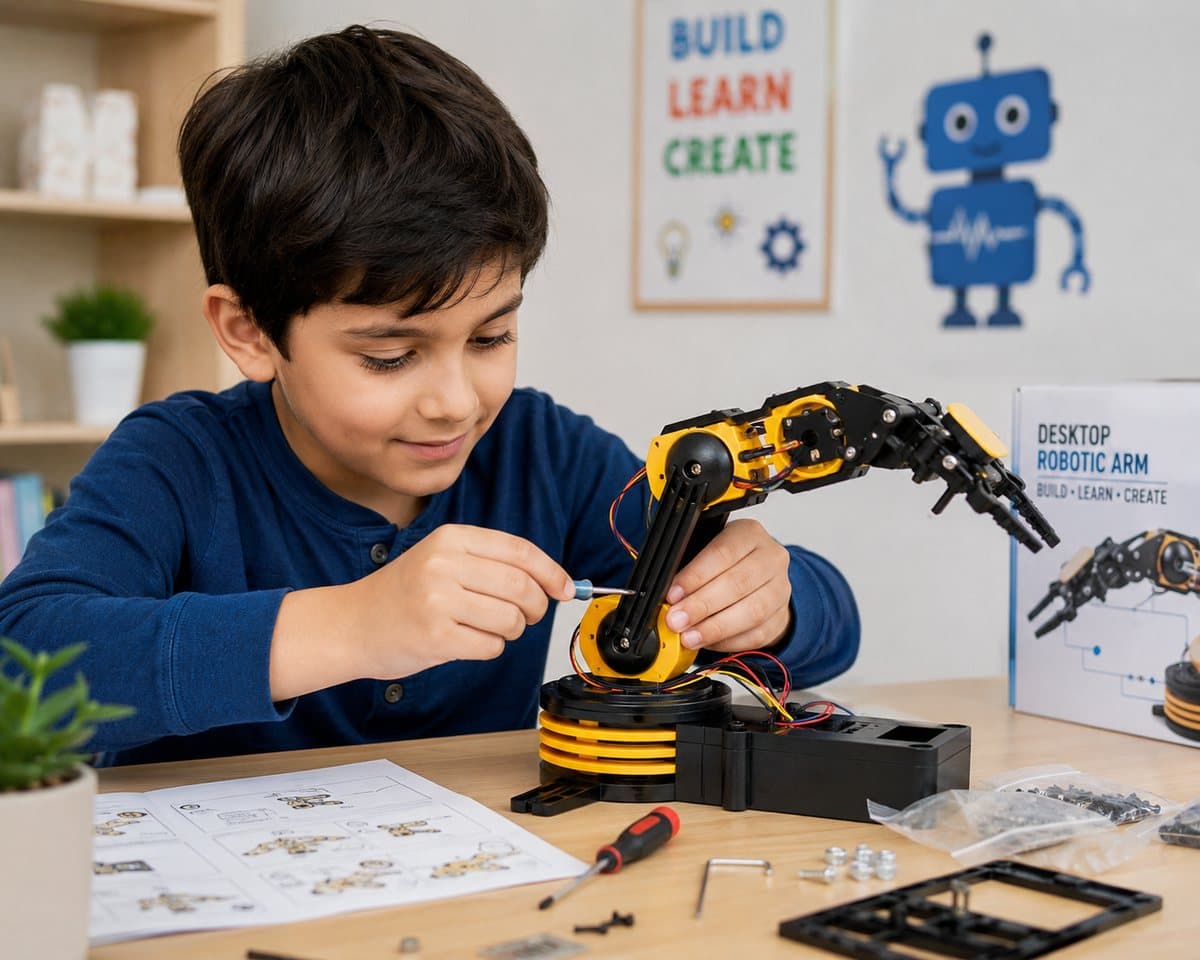
World Builder — “Build a Robot”
Teaches children to start and finish challenging engineering projects, showing them that even when they encounter setbacks, they can solve the problem with patience and consistency. Students choose a robot and go through a brick-by-brick process to build it while learning concepts in robotics, programming, and AI.
Explore robots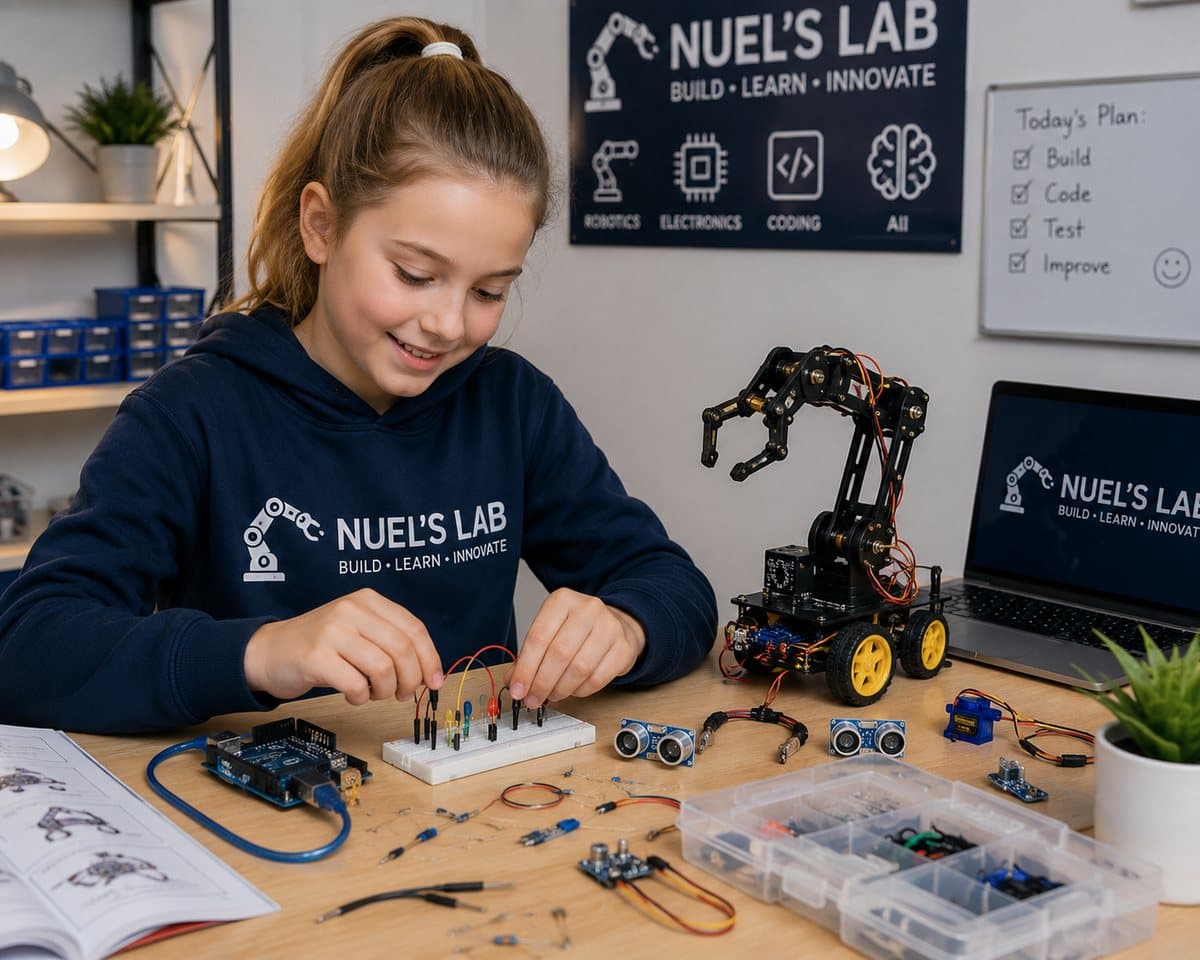
Mind Forge — “Start Learning”
Introduces children to the basics of programming, robotics, and AI. Hands-on training with real components and equipment gives them the foundation knowledge to grow into global problem solvers. Students are equipped with the Robotics Kit; topics include an introduction to robotics, servo motors, sensors, and more.
Explore classesLearning Path
Newcomer to Robotics Master
Students progress from newcomers to pros in AI, robotics, and coding by earning XP and moving up a five-level ranking system.
Builder
Junior Builder
0–1,799 XP
Maker
Skilled Maker
1,800–3,559 XP
Inventor
Master Inventor
3,560–5,869 XP
Engineer
Lead Engineer
5,870–7,998 XP
Robotics Master
Robotics Master
7,999+ XP
Why It Matters
The UK Skills Gap — Facts & Sources
Fact 1
The UK AI sector faces a critical skills gap that threatens future growth and global competitiveness.
View sourceFact 2
49% of UK engineering and technology businesses report recruitment difficulties due to skills shortages, costing the economy an estimated £1.5bn annually.
View sourceFact 3
The UK's digital skills gap is estimated to cost the economy £63 billion per year, with 7.5 million adults lacking essential workplace digital skills.
View sourceFact 4
The UK could require up to 120,000 additional technical professionals by 2035, with significant shortages expected in AI, cybersecurity, and semiconductors.
View sourceFact 5
Nearly 1 million young people aged 16–24 are not in education, employment, or training, highlighting the need for stronger pathways from education into future careers.
View sourceFact 6
74% of teachers say the current curriculum overemphasises exams, while 73% say it underprepares young people for employment, highlighting the need for more hands-on learning.
View source